





By Ai Powered PMC Akbar Jiwani
Special Correspondent: Realestate for Realnewsofindia.com
Rajasthan Housing Board unveils four residential projects in a push to expand affordable and mid-income housing supply
Jaipur, October 21, 2026: Rajasthan Chief Minister Bhajan Lal Sharma on October 17 launched four residential projects developed by the Rajasthan Housing Board, adding 457 housing units across Jaipur, Kishangarh and Bhiwadi. The launch was held at the Constitution Club in Jaipur, in the presence of Urban Development and Housing Minister Jhabar Singh Khara and Jaipur Mayor Sunil Kothari.
The four projects
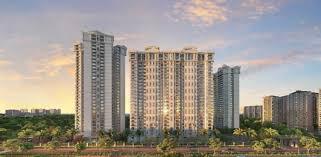
Indira Gandhi Nagar, Sector 9, Jagatpura (Jaipur): 144 MIG-B flats reserved for accredited, full-time journalists. The building comprises a basement, stilt level and nine floors. Each flat has a built-up area of 118.38 sq m and a super built-up area of 154.639 sq m, with an estimated cost of Rs 74.68 lakh per flat.
Greenwood Horizon, next phase, Pratap Nagar (Jaipur): 146 residential units.
Khoda Ganesh Road (Kishangarh): 90 independent houses.
Aravali Vihar (Bhiwadi): 77 flats.
Eligibility and allotment
For the journalist housing scheme, applicants must be accredited, full-time journalists working in Rajasthan who depend on journalism for their livelihood, with an annual family income above Rs 3 lakh. Allotment will be made through a lottery system, subject to eligibility and income-based preferences. Interested applicants are advised to review the Housing Board’s official registration notices, eligibility requirements and allotment procedures before applying.
Why it matters
The launch spreads new public housing supply across three distinct markets: the state capital, an emerging ceramic and furniture hub in Kishangarh, and the industrial NCR-fringe town of Bhiwadi. State housing boards remain an important source of reasonably priced, title-clear homes for salaried and middle-income buyers, and projects in tier-2 and NCR-fringe towns help ease demand pressure on larger metros. Prices for the other three projects were not disclosed at the time of reporting.

By Ai Powered PMC Akbar Jiwani
Special Correspondent: Realestate for Realnewsofindia.com
NEW DELHI: India’s residential market ended the July–September 2026 quarter on a steady footing, with housing sales across the seven major cities rising 3 per cent year on year to about 100,220 units, according to data from property consultancy Anarock. Sales were also about 10 per cent higher than the 90,715 units sold in the previous quarter (April–June 2026).
In value terms, sales stood at roughly Rs 1.55 lakh crore, up about 2 per cent from Rs 1.52 lakh crore a year earlier. Average prices across the seven cities rose around 7 per cent year on year, indicating that buyers continue to absorb higher price tags even as volume growth stays modest.
Launches outpace sales
New supply grew considerably faster than demand. Developers launched about 114,320 units during the quarter, an increase of 18 per cent from 96,690 units in the same period last year. Launches exceeding sales is a trend market watchers will follow closely, as it can add to unsold stock if demand weakens in the coming quarters.
City-wise picture
The Mumbai Metropolitan Region (MMR) remained the largest market, with sales rising 5 per cent to about 31,750 units from 30,260 units a year ago. Anarock said MMR and Bengaluru together accounted for about 48 per cent of total sales in the quarter. Hyderabad also supported overall numbers. Kolkata, however, saw sales dip 4 per cent to about 3,980 units, while Delhi-NCR recorded a decline.
Festive season outlook
Anarock Chairman Anuj Puri said he expects the festive season to support residential demand and build on the momentum seen in the third quarter. Developers typically time launches and offers around Navratri, Dussehra and Diwali, when homebuyer sentiment traditionally improves.
Governments push affordable and plotted housing
On the policy front, state governments continue to expand housing supply. On 17 October 2026, Rajasthan Chief Minister Bhajan Lal Sharma launched four Rajasthan Housing Board projects adding 457 units in Jaipur, Kishangarh and Bhiwadi. These include 144 MIG-B flats in Jagatpura, Jaipur, reserved for accredited journalists, with an estimated cost of about Rs 74.68 lakh per flat, as well as 146 units in the next phase of Greenwood Horizon at Pratap Nagar, 90 independent houses at Kishangarh and 77 flats at Aravali Vihar, Bhiwadi. Allotments will be by lottery, subject to eligibility; details may change and buyers should refer to official Housing Board notices.
What it means for homebuyers
Steady sales, rising prices and a bigger pipeline of new projects mean buyers have more choice this festive season, but also need to be careful. Experts advise verifying RERA registration, project approvals and developer track record before booking, and comparing offers across locations rather than rushing into discounts.

Mumbai, October 18, 2026 | Special Report – Real News of India
A free medical and health camp was organised on Sunday, October 18, 2026, at Sanjeevani Polyclinic Centre in Golibar, Santacruz East, Mumbai. Organised by the All India Jamiatul Quresh (Regd.), Mumbai Unit, the initiative provided free medical check-ups and various diagnostic services to local residents. More than 100 people underwent health check-ups during the camp.
The programme was held at Sanjeevani Polyclinic Centre, 41 Mahatma Nagar, 7th Golibar Road, Santacruz East, Mumbai – 400055. The initiative aimed to improve access to basic health screening, particularly for people who may face financial difficulties in obtaining regular medical tests.
Local MLA Varun Sardesai, local social workers and other dignitaries attended the programme and extended their support. Members of the All India Jamiatul Quresh were also present.
Haji Imran Babu Qureshi and Community Leaders Attend
Haji Imran Babu Qureshi, National Vice President, Core Committee Member and Chief Patron of the All India Jamiatul Quresh, Mumbai Unit, was among the prominent representatives present at the event.
The organisers also honoured guests and dignitaries who attended and supported the health initiative.
According to the event banner, the organisation’s office-bearers include Janab Sirajuddin Qureshi, National President of All India Jamiatul Quresh; Adv. Khalid Babu Qureshi, former member of the Maharashtra Waqf Board; Janab Zafar Rehmatullah Qureshi, President of the Mumbai Unit; Haji Qureshi Ataur Rahman, Vice President and Head of the Medical Committee; and Mr Rizwan Gulzar Qureshi, Golibar Medical Health Head.
## Zakir Qureshi Jamat, Delhi, Also Mentioned
Information provided for this report also refers to *Zakir Qureshi Jamat, Delhi*, along with Siraj Qureshi, identified in the supplied information as the National President of All India Jamiatul Quresh.
The participation and contribution of the Delhi-based organisation, including the names of its representatives and their specific roles in the camp, may be added once the details are officially confirmed.
Free Tests for Diabetes, Thyroid, Kidney and Heart Health
According to the camp banner, several important diagnostic services were included in the programme. These covered:
– *Diabetes screening:* HbA1c testing to assess average blood sugar levels over approximately three months.
– *Thyroid function:* TSH, T3 and T4 tests, where required.
– *Kidney health:* Creatinine testing.
– *Lipid profile:* Cholesterol and triglyceride assessment.
– *Heart care:* ECG, if required.
– *Blood analysis:* Complete Blood Count (CBC) and related investigations.
These tests provided residents with an opportunity to monitor their health and become more aware of the importance of early detection and regular medical screening.
A Community Initiative for Public Health
The free medical camp highlighted the role of community organisations in supporting public health and assisting people in need. By making various health investigations available free of charge, the initiative sought to reduce financial barriers to basic medical screening and encourage greater health awareness among local residents.
With more than 100 people undergoing check-ups, the programme served as a community-focused effort to bring medical screening services closer to residents of Golibar and the surrounding areas.
The initiative also brought together community representatives, social workers and local dignitaries around a shared public-service objective.
Key Office-Bearers Mentioned on the Event Banner
– *Janab Sirajuddin Qureshi* – National President, All India Jamiatul Quresh.
– *Adv. Khalid Babu Qureshi* – Former Member, Maharashtra Waqf Board.
– *Haji Imran Babu Qureshi* – National Vice President, Core Committee Member and Chief Patron, Mumbai Unit.
– *Janab Zafar Rehmatullah Qureshi* – President, Mumbai Unit.
– *Haji Qureshi Ataur Rahman* – Vice President and Head of the Medical Committee, Mumbai Unit.
– *Mr Rizwan Gulzar Qureshi* – Golibar Medical Health Head.
– *Zakir Qureshi Jamat, Delhi* – Mentioned in the information provided for this report; official designation and participation details require confirmation.
The camp was organised as a public-service initiative to promote health awareness, community cooperation and access to medical screening.
*Report by: S. M. Fanoos and Salim Sayyed*
*Chief Reporter | Real News of India*
Website: Real News of India
Suggested website headline: Free Medical Camp in Golibar, Mumbai: Over 100 People Get Health Check-ups
SEO keywords: Free Medical Camp Mumbai, Golibar Health Camp, All India Jamiatul Quresh, Haji Imran Babu Qureshi, Varun Sardesai, Santacruz East News, Real News of India.
Editorial note: Before publishing, confirm the official English spelling of “Zakir Qureshi Jamat,” its Delhi office-bearers and their role in the event. The event banner identifies Sirajuddin Qureshi as National President; the additional organisational details have not been independently verified.

By Ai Powered PMC Akbar Jiwani, Special Correspondent: Real Estate, for Realnewsofindia.com
Published: 19 October 2026
JAIPUR: Rajasthan Chief Minister Bhajan Lal Sharma on 17 October 2026 launched four housing projects of the Rajasthan Housing Board (RHB), adding 457 homes to the state’s residential supply across Jaipur, Kishangarh and Bhiwadi.
The launch took place at the Constitution Club in Jaipur. Urban Development and Housing Minister Jhabar Singh Khara and Jaipur Mayor Sunil Kothari were present.
What has been launched
Jaipur, Jagatpura (Sector 9), Indira Gandhi Nagar scheme: 144 MIG-B flats reserved for journalists.
Jaipur, Pratap Nagar: 146 units in the next phase of Greenwood Horizon.
Kishangarh, Khoda Ganesh Road: 90 independent houses.
Bhiwadi, Aravali Vihar: 77 flats.
Journalist housing scheme: key details
The Jagatpura building has a basement, a stilt level and nine floors. Each flat has a built-up area of 118.38 sq m and a super built-up area of 154.639 sq m. The estimated cost is Rs 74.68 lakh per flat.
Eligible applicants are accredited, full-time journalists working in Rajasthan who depend on journalism for their livelihood, with an annual family income above Rs 3 lakh. Allotment will be by lottery, subject to eligibility conditions and income-based preferences. Prices, timelines and application dates for the other three projects were not specified in available reports.
Why it matters
The launch spreads state-backed supply across a metro, a fast-growing industrial town and a tier-2 location. The wider market is also expanding. According to Anarock data reported this week, residential launches in the top seven cities rose 18% in Q3 to 114,320 units, with developers offering festive incentives. A CII-Knight Frank study found that residential prices in 11 tier-2 and tier-3 cities grew at about 8% CAGR from 2016 to 2026, against 4% in the eight major metros. That supports demand for projects outside the big cities.
What buyers should do: Check the RHB’s official registration notices, eligibility rules and allotment procedures before applying.

Written by Ai Powered PMC Akbar Jiwani, Special Correspondent: Real Estate, for Realnewsofindia.com
Mumbai, 17 October 2026: The Maharashtra government’s registration department has tightened the process for registering property documents presented outside the taluka where the property is located, in a move aimed at plugging stamp duty leakage and protecting buyers from legal complications.
According to a circular dated 12 October, reported this week, joint sub-registrars will now have to seek permission before registering any document that is presented outside the taluka of the property concerned. A joint district registrar has been given two days to review such cases and give a decision.
Why the change
The department’s stated aims are to curb stamp duty evasion, prevent undervaluation of properties, and reduce the risk of legal encumbrances that can surface when documents are registered away from the local jurisdiction where records and valuations are best known. Out-of-jurisdiction registrations have long been seen as a route to dodge accurate valuation checks.
RERA projects exempt
Importantly for homebuyers and developers, the new procedure does not apply to RERA-registered projects. Buyers purchasing in registered projects can therefore continue to complete registration without the additional approval step, a move that reinforces the advantage of buying in RERA-compliant developments.
What it means for buyers, sellers and developers
Resale buyers, plot purchasers and those dealing in non-RERA or older properties should factor in the extra review time of up to two days when planning registration. Legal advisers recommend keeping title documents, valuation papers and identity records complete before presenting documents, to avoid delays. For genuine transactions the impact is expected to be limited, while the check is expected to add discipline to a segment where undervaluation has been a recurring concern.
The bigger picture
The circular comes amid a wider push by states to digitise and tighten property administration, improve transparency and protect revenue. For India’s housing market, where transparency and clean titles are central to buyer confidence, such steps – alongside RERA enforcement – are seen as supporting long-term, healthy growth in the sector.
Note to editor: Details are based on published reports of the 12 October circular (e.g., Prop News Time, 16 Oct 2026); the circular text could not be independently verified at the time of writing. Please confirm with the Maharashtra Inspector General of Registration (IGR) website before publishing.
By Ai Powered PMC Akbar Jiwani, Special Correspondent: Realestate, for Realnewsofindia.com
New Delhi, 16 October 2026: India’s residential construction sector has grown to an estimated value of $430 billion, nearly double the $235 billion recorded in 2019, according to figures reported this week by financial news portal Whalesbook on 15 October 2026. The numbers underline how strongly housing continues to anchor the country’s real estate story.
Residential projects now make up about 85 per cent of the total value of real estate under construction in India. Including office, retail and warehousing assets, the total value of real estate projects under construction stands at around $503 billion. Warehousing, once a niche segment, has grown to roughly $10 billion by 2025, reflecting demand from e-commerce and logistics players.
A $1 trillion market by 2030
Industry projections cited in the report place India’s overall real estate market at $1 trillion by 2030, with a longer-term aspiration of $5.8 trillion by 2047. Steady leasing demand from Global Capability Centres (GCCs) is expected to continue supporting the office segment, even as housing remains the largest contributor to activity on the ground.
Risks to watch
The report also flags several factors that could temper growth. High interest and mortgage rates continue to weigh on home affordability, while rising property prices in major cities can slow sales. Compliance under the Real Estate (Regulation and Development) Act (RERA) has improved transparency for buyers but can also add to project timelines and costs. Developers, meanwhile, must manage debt carefully while funding large expansions, and fluctuating raw material costs put pressure on margins.
Analysts suggest that sales sustainability, home loan rates, developer margins, the pace of project completion and inventory levels in key urban centres are the indicators to track in the coming quarters.
Also on the regulatory front
Separately, a tax-compliance change effective 1 October 2026 is relevant for property deals involving non-resident sellers. As per secondary reports, resident individual and HUF buyers can now report and pay TDS on such purchases using their PAN instead of obtaining a TAN, while companies and firms still need a TAN. Reports indicate TDS on long-term gains from such sales is 12.5 per cent, with short-term gains taxed at applicable slab rates, and that Form 141 is used for consolidated reporting. Buyers are advised to verify details against the official Income Tax Department notification.
Outlook
With construction value having roughly doubled in just seven years, India’s property sector enters the festive season with strong fundamentals but a clear need for balance between growth, affordability and regulatory discipline. For homebuyers, investors and developers alike, project-level due diligence and RERA verification remain essential.
Sources: Whalesbook (15 Oct 2026), CAclubindia (TDS reporting rules, updated 3 Oct 2026). Figures are as reported by these outlets and are for information only; this is not investment advice. Editor: please verify figures before publishing.

Written by Ai Powered PMC Akbar Jiwani
Special Correspondent: Real Estate, for Realnewsofindia.com
Mumbai/New Delhi: India’s housing market enters the peak festive season with a new variable: costlier money. On 7 October 2026, the Reserve Bank of India’s Monetary Policy Committee raised the repo rate by 25 basis points to 5.50%, the first increase since February 2023, and moved to a “calibrated tightening” stance.
The decision lands at a delicate moment for real estate. Fresh data from property consultant Anarock shows the top seven cities recorded about 1,00,220 housing unit sales in the July-September 2026 quarter, up 3% from 97,080 units a year earlier. Sales value rose about 2% to roughly Rs 1.55 lakh crore. New launches jumped 18% to about 1,14,320 units, while average residential prices climbed 7% year-on-year.
What the rate hike means for borrowers
Floating-rate home loans linked to external benchmarks will reset at each lender’s next scheduled reset date, so the effect will be gradual. As an illustration, on a 20-year loan of Rs 50 lakh, a 25 bps rise (for example, from 8.50% to 8.75%) lifts the monthly EMI by roughly Rs 800. Some lenders may keep EMIs unchanged and stretch the tenure instead, which raises total interest paid. Fixed-rate loans are unaffected during their fixed period. LIC Housing Finance MD and CEO Sandeep Kumar said the hike “may lead to a gradual increase in borrowing costs” for the housing finance sector.
City-wise picture
Hyderabad led growth with sales up about 15% to roughly 12,970 units, followed by Bengaluru (up 12% to 16,670 units) and the Mumbai Metropolitan Region (up 5% to 31,750 units). Pune fell 6%, NCR slipped 1%, Chennai dropped 10% and Kolkata eased 4%. MMR and Bengaluru together accounted for 48% of all sales. Price growth was sharpest in NCR at 12%, followed by Bengaluru at 8%.
Supply is rising faster than demand. Unsold inventory in the seven cities stood at about 6.31 lakh units, up 12% year-on-year from about 5.62 lakh units. Launches were concentrated in the Rs 80 lakh to Rs 1.5 crore band (34%) and the Rs 1.5 crore to Rs 2.5 crore band (24%), while homes below Rs 40 lakh made up just 14% of launches, underlining the continuing squeeze on affordable housing.
Industry reaction
Developers and industry bodies broadly expect the impact to be limited. CREDAI’s Shekhar Patel said the interest rate at any given point is “only one part of a much longer decision.” Experion Developers CEO B.K. Malagi said the company does not expect a 25 bps increase “to materially impact housing demand,” especially in premium and luxury segments. Landmark Group Chairman Sandeep Chhillar said he does not expect the move “to alter the trajectory of the residential market.” Trehan IRIS Executive Director Aman Trehan was more cautious, saying the immediate impact will be “through borrowing costs and affordability,” particularly for marginal buyers.
Anarock Chairman Anuj Puri, in the quarterly report released before the RBI decision, had said festive-period demand was expected to get support from stable borrowing costs and new launches, while cautioning that buyers “may remain selective because of higher property prices and affordability concerns.” With borrowing costs no longer stable, that second caveat now carries more weight.
Outlook
The RBI has said its stance does not set a predetermined schedule of further hikes, so the path of future rate moves will depend on inflation, crude oil prices and monsoon-linked food prices. For homebuyers, analysts’ advice is to compare lenders’ reset terms, consider part-prepayment, and avoid stretching budgets in a rising-rate cycle. For developers, the festive quarter will show whether end-user demand can absorb both higher prices and higher EMIs, with a large pile of unsold stock waiting in the wings.
Sources: Deccan Herald (7 Oct 2026); Kalkine India (9 Oct 2026); PropNewsTime reporting on Anarock Research Q3 2026 data (2 Oct 2026); NewsVoir/ANI industry reactions via Business Standard (10 Oct 2026). EMI figures are illustrative calculations and not a lender quote.

By Ai Powered PMC Akbar Jiwani, Special Correspondent: Realestate for Realnewsofindia.com
NEW DELHI: Homebuyers purchasing property from Non-Resident Indians (NRIs) are getting a procedural relief this month. Under revised tax-deduction reporting rules effective 1 October 2026, resident individuals and Hindu Undivided Families (HUFs) buying Indian immovable property from a non-resident seller can now deduct and deposit tax using their Permanent Account Number (PAN). They no longer need to obtain a Tax Deduction Account Number (TAN) first.
What has changed
Until now, a resident buyer paying a non-resident seller had to register for a TAN, an extra step that often delayed registrations and closings. The new framework removes that hurdle for individual and HUF buyers. The relief does not extend to companies and firms, which must continue to use a TAN.
The rules also introduce Form 141, which provides consolidated reporting for applicable transactions and replaces multiple earlier forms, as per a summary published by CAclubindia.
TDS rates for NRI sellers
Long-term capital gains (property held for more than 24 months): 12.5%.
Short-term capital gains (held 24 months or less): applicable slab rate, up to 30%.
Surcharge and health and education cess may apply in both cases.
The Rs 50 lakh threshold and the 1% rate apply only where the seller is a resident individual. They do not apply when the seller is a non-resident.
Obligations remain
Buyers must still determine the correct TDS rate, deduct and deposit the tax, and file Form 141. The change simplifies registration, not liability.
Why it matters for the market
NRI buyers and sellers are an important part of demand in markets such as Mumbai, Bengaluru, Hyderabad, Pune and Chennai. Easing compliance for resident purchasers from NRI sellers reduces friction in secondary-market transactions at a time when, per Knight Frank India data reported on Realnewsofindia.com, housing sales across eight major cities were broadly flat at 2,58,238 units in January-September 2026, with the market growing more in value than in volume.
Buyers and sellers are advised to consult a chartered accountant or tax professional and refer to the official notification before closing transactions. This report is for information and is not tax advice.
Sources: CAclubindia: TDS on Purchase of Property, New Reporting Rules From 1st October 2026; Realnewsofindia.com: Housing Sales Hold Steady at 2.58 Lakh Units in Jan-Sep 2026
Written by Ai Powered PMC Akbar Jiwani
Special Correspondent: Realestate for Realnewsofindia.com
Mumbai/New Delhi: India’s residential market ended the July–September 2026 quarter on a cautiously positive note, with housing sales across the top seven cities rising 3% year on year to about 1,00,220 units, according to data released by property consultancy Anarock on 28 September. The units sold were worth roughly Rs 1.55 lakh crore, underlining the continued strength of value-led demand even as unit growth remains modest.
Launches surge, unsold stock builds
New launches rose a sharp 18% year on year to about 1,14,320 units, as developers lined up supply ahead of the festive season. Unsold inventory stood at about 6,30,590 units. Average prices across the seven cities rose 7% year on year to Rs 9,714 per sq ft, though quarter-on-quarter growth was just 1%, suggesting price momentum is cooling.
Southern cities lead, Pune and Chennai lag
Hyderabad recorded a 15% rise in sales and Bengaluru 12%. Pune (down 6%), Chennai (down 10%) and Kolkata (down 4%) saw declines, while Delhi-NCR slipped 1% to 13,765 units.
A different picture from PropEquity
Data analytics firm PropEquity, which tracks nine markets with a different methodology, estimated sales fell about 6% year on year to 1,03,170 units. Its city-wise data showed Navi Mumbai (+12%) and Hyderabad (+11%) growing, while Pune (-16%), Chennai (-17%) and Kolkata (-17%) fell. PropEquity noted its figures were released before quarter-end, so late-September numbers were partly estimated. The divergence reflects differences in cities covered and methodology rather than a contradiction in direction for individual markets such as Hyderabad.
Offices and policy watch
Colliers reported Grade A office leasing across seven cities rose 9% year on year to 18.7 million sq ft in the quarter, with Delhi-NCR more than doubling to 3.3 million sq ft. On the regulatory front, the Supreme Court-appointed committee told the NCLAT that construction of 16 stalled Supertech projects, to be handled by state-run NBCC, is scheduled to begin on 16 January 2027, with tenders due between 1 and 15 October; the projects cover about 50,000 flats, of which roughly 14,000 remain undelivered. Separately, from 1 October 2026, resident individual and HUF buyers of property from non-resident sellers can reportedly report and pay TDS using their PAN instead of a TAN, via Form 141 (per CAclubindia; readers should verify against the official Income Tax Department notification).
Outlook
With the festive season under way and the RBI repo rate reported at 5.25%, industry watchers will track whether strong launches convert into sales. Analysts caution that rising unsold stock and moderating price growth could shape developer pricing strategies in the coming months.
Sources: Anarock and PropEquity data via Realty Hunting roundups (29 Sept 2026) and PropEquity release report; Colliers; CAclubindia.

Written by Ai Powered PMC Akbar Jiwani
Special Correspondent: Realestate for Realnewsofindia.com
New Delhi, 12 October 2026 – India’s residential market is growing in value rather than volume. Housing sales across eight major cities were broadly flat at 2,58,238 units in January–September 2026, according to Knight Frank India data released on 5 October. Buyers are moving towards higher-priced homes, while entry-level demand weakens.
City-wise picture
Mumbai remains the largest market with 72,804 units sold, up 1%. Bengaluru grew fastest among the big markets, rising 5% to 43,140 units. Pune was roughly flat at about 36,402 units. Hyderabad, Ahmedabad, Chennai and Kolkata each grew 2–4%. Together, the seven non-NCR markets rose 2%.
The NCR was the weak spot, with sales down 11% to 35,574 units. Sales in the ₹5–10 crore band there fell 39% to 4,033 units. Gurugram accounts for 57% of the region’s unsold inventory.
Premium homes gain, affordable segment shrinks
Homes priced above ₹1 crore made up 55% of sales, up from 50% a year earlier. The ₹1–2 crore band is the largest segment at 77,087 units, up 6.8%. The ₹2–5 crore band jumped 19.4% to 51,501 units, with Chennai posting 54% growth in this range.
The affordable end is under pressure. Homes priced ₹50 lakh–₹1 crore fell 5.9% to 69,380 units. Homes below ₹50 lakh fell 14% to 47,660 units, and their share of sales dropped to 18%.
Supply and prices
Developers launched 2,79,899 homes in the nine months, up 4%. Q3 launches were 92,549, also up 4%. New supply has exceeded sales for 16 consecutive quarters, pushing the inventory overhang to 6.1 quarters. Prices rose between 3% and 17% across markets.
Knight Frank India chairman Shishir Baijal described the trend as “normalisation rather than a widespread slowdown.” He said income growth, suitable supply and local demand will increasingly determine market performance as the benefits of lower interest rates fade.
Government relief for developers
On 31 July, the Ministry of Housing and Urban Affairs advised state RERAs to extend registration and completion deadlines by four months for projects with deadlines on or after 28 February 2026. The advisory cites supply-chain disruption from the West Asia conflict, which the finance ministry declared a force majeure event on 29 April. It asks RERAs to issue a common order so developers need not file project-by-project applications.
CREDAI president Shekhar Patel called the move “a positive step taken in line with the sector’s demand.”
Also on the regulatory front
From 1 October 2026, resident individual and HUF buyers of property from non-resident sellers can report and pay TDS using their PAN rather than a TAN, with reporting through Form 141. Buyers should verify rates and requirements against official CBDT notifications.
Outlook
With volumes steady, prices rising and the affordable share shrinking, the market is expected to grow in value rather than volume. Affordability for first-time buyers remains the central concern for policymakers and developers.



















Recent Comments