
Written by AI Powered PMC Akbar Jiwani
Special Correspondent: Realestate for Realnewsofindia.com
Notification under the Delhi Municipal Corporation Act brings the capital’s entire village belt under urban governance, with planned civic services and regulated land use expected to reshape property markets on the city’s periphery.
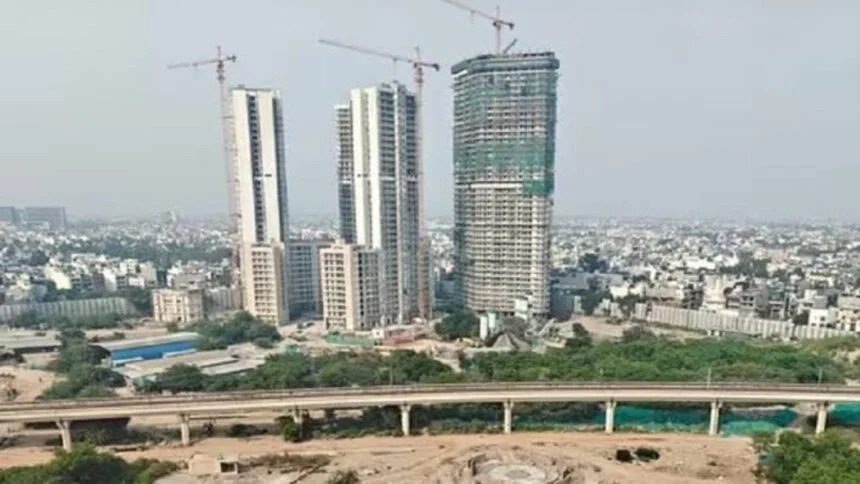
New Delhi: In a significant move for urban planning and real estate in the national capital, the Delhi government has declared the last 48 rural villages of the city as urban areas. The Urban Development Department issued the notification on 27 October 2026, stating that the specified villages, covering their old inhabited settlements and entire revenue estates, will no longer be part of rural areas and will form part of the urban areas.
With this decision, all 357 villages of Delhi now fall within the urban framework. The other 309 villages had already been urbanised earlier. The declaration has been made by the Lieutenant Governor under Section 507(a) of the Delhi Municipal Corporation Act, 1957, which brings the villages under the municipal law.
A process years in the making
The step follows a sequence of approvals. The Delhi Development Authority cleared the proposal in February 2026, the Municipal Corporation of Delhi House approved it in September, and the formal notification has now made the change final. Reports also link the decision to the Centre’s notification of the Master Plan for Delhi in August 2026, which sets the long-term planning direction for the capital.
The Delhi government, led by Chief Minister Rekha Gupta, has said the change is meant to bring better roads, water supply, sewerage and other civic amenities to areas that have waited long for planned development. The villages had so far been governed largely by agricultural land-use norms, and urban status is expected to clarify the legal and administrative rules that apply to them.
What it means for real estate
Industry observers say the move opens up a new frontier for housing and commercial development, particularly in villages close to the Gurugram border and the Indira Gandhi International Airport. Gurugram currently accounts for nearly half of housing launches and over 40 per cent of housing sales in the wider NCR, according to industry figures cited in media reports, and experts expect spillover interest in adjoining Delhi pockets over the coming years.
Urban classification typically improves access to institutional finance and organised development, and can influence land values. However, the reform does not mean construction can begin unchecked. Building activity and any change in land use will still require statutory approvals from the competent authorities.
The challenge: delivery on the ground
The real test will be the quality of infrastructure that follows. Analysts point out that schools, hospitals, power, drainage and last-mile connectivity are essential if these areas are to attract serious investment. Residents’ groups have earlier complained that urban status granted to other villages did not always translate into better civic services, making timely execution by the MCD and other agencies critical.
For homebuyers, investors and developers, the message is to track notified land-use norms, approvals and infrastructure rollout closely before committing capital, and to verify title and permissions for every parcel.
Overall, the notification marks a structural shift in how the capital manages its growth, bringing a large land bank into the regulated urban fold at a time when India’s housing market is turning towards infrastructure-led locations.