



Prime Minister Narendra Modi today condoled the demise of Lance Naik Hanamanthappa Koppad, who was extricated alive six days after an avalanche hit his post in Siachen Glacier, saying he has left “us sad and devastated”.
“He leaves us sad & devastated. RIP Lance Naik Hanamanthappa. The soldier in you remains immortal. Proud that martyrs like you served India,” Modi tweeted.
The soldier died today, three days after he was miraculously rescued alive from beneath tonnes of snow at a height of 19,600 feet after the February 3 avalanche hit.
The 33-year-old soldier of the 19th Battalion of Madras Regiment is survived by his wife Mahadevi Ashok Bilebal and two-year-old daughter Netra Koppad.
A resident of village Betadur in Dharwad district of Karnataka, Koppad had joined the army 13 years back.
The condition of Koppad, who was admitted to Army Research and Referral Hospital here on February 9, had deteriorated yesterday. (AGENCIES)
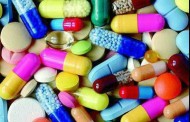
New Delhi | Defending the move to end the customs duty exemption for import of 76 life saving drugs including those for treating cancer, AIDS and haemophilia, Government has said Indian manufacturers are already selling most of these drugs at cheaper prices.
It also claimed there will only be marginal increase in the prices of these imported drugs due to exemption withdrawal. It is to promote indigenous medicines. The Indian drug companies are perfectly capable of manufacturing these drugs for our domestic market. We are not only meeting the domestic demand but are also exporting them to 200 countries and economies.
Most of them are availabe at cheaper rates, said a senior Health Ministry official, who is also overseeing the functioning of Drug Controller General of India. He said there will be marginal increase in the prices of these imported drugs. In case of 95 per cent of these drugs, the custom duty is only 2.5 per cent.
So if there is an increase, it would be marginal, he said. While the medicines directly impact the treatment of crucial health problems like HIV AIDS and haemophilia, the official said majority of such patients are treated by government hospitals. The expenditure for treatment for HIV AIDS and haemophilia patients is borne by public expenditure.
There are public health facilities that provide them free healthcare, he said. The list of 76 medicines also contains pharmaseutical ingredients used in drugs. A notification issued by Central Board of Excise and Customs last week had withdrawn the customs duty exemption on the import of 76 drugs.
They are used in treatment of diseases like kidney stones, heart rhythm disorders, diabetes, Parkinson’s disease, bone diseases, bacterial infections, anaesthetic medication, allergies, arthritis, lupus, menopause, glaucoma, poisoning by a chemical or pesticide, growth failure in children and ulcerative colitis.









Recent Comments