
By Ai Powered PMC Akbar Jiwani, Special Correspondent: Realestate, for Realnewsofindia.com
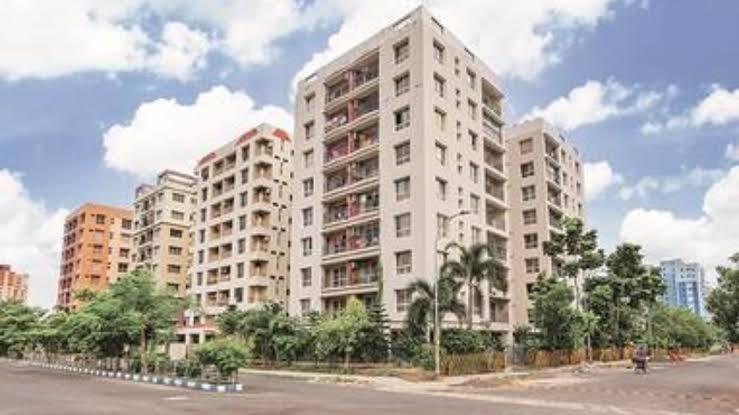
New Delhi, 16 October 2026: India’s residential construction sector has grown to an estimated value of $430 billion, nearly double the $235 billion recorded in 2019, according to figures reported this week by financial news portal Whalesbook on 15 October 2026. The numbers underline how strongly housing continues to anchor the country’s real estate story.
Residential projects now make up about 85 per cent of the total value of real estate under construction in India. Including office, retail and warehousing assets, the total value of real estate projects under construction stands at around $503 billion. Warehousing, once a niche segment, has grown to roughly $10 billion by 2025, reflecting demand from e-commerce and logistics players.
A $1 trillion market by 2030
Industry projections cited in the report place India’s overall real estate market at $1 trillion by 2030, with a longer-term aspiration of $5.8 trillion by 2047. Steady leasing demand from Global Capability Centres (GCCs) is expected to continue supporting the office segment, even as housing remains the largest contributor to activity on the ground.
Risks to watch
The report also flags several factors that could temper growth. High interest and mortgage rates continue to weigh on home affordability, while rising property prices in major cities can slow sales. Compliance under the Real Estate (Regulation and Development) Act (RERA) has improved transparency for buyers but can also add to project timelines and costs. Developers, meanwhile, must manage debt carefully while funding large expansions, and fluctuating raw material costs put pressure on margins.
Analysts suggest that sales sustainability, home loan rates, developer margins, the pace of project completion and inventory levels in key urban centres are the indicators to track in the coming quarters.
Also on the regulatory front
Separately, a tax-compliance change effective 1 October 2026 is relevant for property deals involving non-resident sellers. As per secondary reports, resident individual and HUF buyers can now report and pay TDS on such purchases using their PAN instead of obtaining a TAN, while companies and firms still need a TAN. Reports indicate TDS on long-term gains from such sales is 12.5 per cent, with short-term gains taxed at applicable slab rates, and that Form 141 is used for consolidated reporting. Buyers are advised to verify details against the official Income Tax Department notification.
Outlook
With construction value having roughly doubled in just seven years, India’s property sector enters the festive season with strong fundamentals but a clear need for balance between growth, affordability and regulatory discipline. For homebuyers, investors and developers alike, project-level due diligence and RERA verification remain essential.
Sources: Whalesbook (15 Oct 2026), CAclubindia (TDS reporting rules, updated 3 Oct 2026). Figures are as reported by these outlets and are for information only; this is not investment advice. Editor: please verify figures before publishing.