Mumbai:
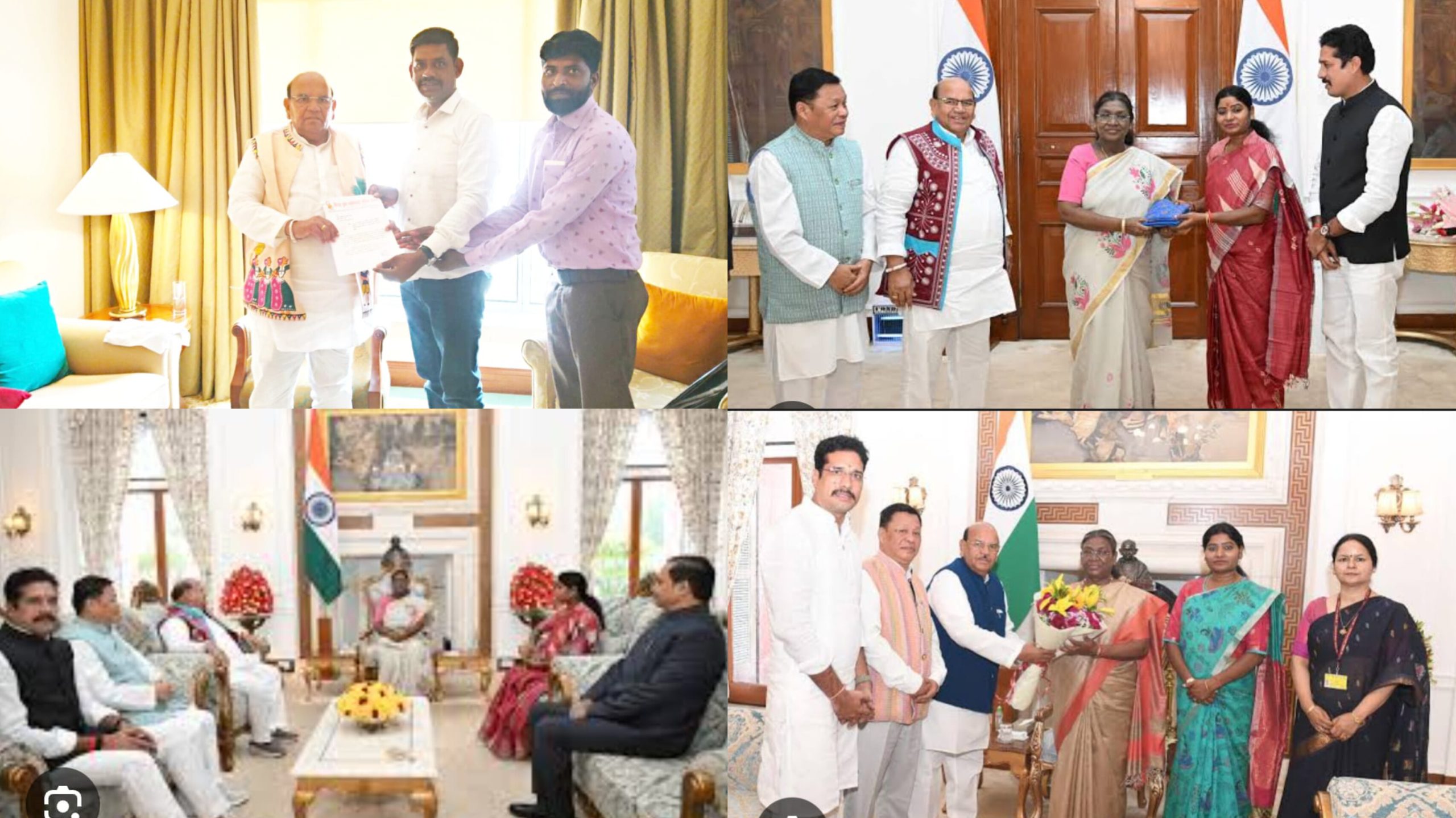
Representatives of tribal and other traditional forest-dwelling communities residing for generations within the Sanjay Gandhi National Park (SGNP) area have submitted a formal appeal to the National Commission for Scheduled Tribes, seeking urgent intervention to protect their legal rights, ensure fair rehabilitation, and restore employment opportunities.
In their representation addressed to Commission Chairman Shri Antar Singh Arya, community leaders stated that many tribal families have lived in the forest region since before the establishment of the national park, with some families historically holding land records. Despite this, residents claim they are now being treated as encroachers and face eviction threats without adequate rehabilitation or access to basic civic amenities.
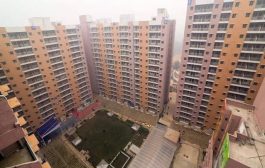
The memorandum emphasizes that the communities are not opposing development but are demanding “justice, dignified rehabilitation, livelihood security, and protection of constitutional and human rights.” Among their primary demands is the relocation of affected families to nearby available land so that their traditional social, cultural, and livelihood connections with the forest region remain intact. The proposal suggests providing approximately 500-square-foot row houses for tribal families and planned multi-storey housing for other traditional forest dwellers, along with essential infrastructure such as water supply, electricity, roads, schools, health centres, and livelihood facilities.
Community representatives have also alleged harassment by park authorities, claiming that residents were intimidated through enforcement actions and that false cases were filed against several individuals following recent tensions. They have demanded the withdrawal of such cases and an immediate halt to coercive actions in tribal settlements.
Employment concerns also feature prominently in the appeal. According to the memorandum, several tribal forest workers were removed from their jobs after cases were registered against them. The communities are seeking reinstatement of affected workers and priority employment for local tribal residents in park-related services such as forest labour, security, maintenance, tourism, transport, and guide services. They have also requested the revival of tourism transport facilities earlier operated through the Birsa Munda Adivasi Shramik Sanghatana, which had provided livelihood opportunities to many local families.
Additionally, the memorandum calls for the immediate restoration of basic amenities in tribal hamlets and the resumption of BEST bus services that previously enabled residents, particularly students and workers, to travel for education and employment.
Community leaders have urged the National Commission for Scheduled Tribes to intervene promptly, citing provisions of the Forest Rights Act, 2006, PESA legislation, and constitutional protections for tribal communities. They expressed hope that the Commission’s intervention will ensure fair rehabilitation policies, livelihood security, and protection of long-standing tribal rights in the Sanjay Gandhi National Park region. Real News of India Reporter S.M.Fanus
Tribal Communities of Sanjay Gandhi National Park Appeal to National ST Commission for Rehabilitation, Employment, and Basic Rights

About the author

Related Articles
-
Real Voice Foundation Raises Strong Voice for Transgender Rights; Memorandum Submitted to Maharashtra CM Devendra Fadnavis
-

Real Voice Foundation and Sisterhood Community to Organize Kinner Community Interaction & Awareness Program in Mumbai
-
Training Conducted to Ensure Faster Public Services in Mumbai Suburban District