
By AI Powered PMC Akbar Jiwani, Special Correspondent: Real Estate, RealNewsOfIndia.com
NEW DELHI: India’s real estate market is entering the last weeks of 2026 with strong numbers on the commercial and investment side, even as housing sales are expected to stay broadly level through the festive season.
According to data from property consultancy Savills India, office absorption across the country’s top six cities reached 60.7 million sq ft in the first nine months of 2026, up 6% year-on-year. Over the same January–September period, private equity investment into Indian real estate climbed to US$4.5 billion, a 16% rise over last year.
“India’s real estate market is heading towards the close of 2026 on a constructive footing, supported by resilient residential demand, sustained occupier activity and growing institutional participation,” said Arvind Nandan, Managing Director, Research & Consulting, Savills India.
GCCs remain the engine of office demand
Global Capability Centres (GCCs), the offshore technology, analytics and operations hubs set up by multinational companies, accounted for 30% of all office leasing so far this year. Technology firms and financial services companies made up much of the rest. Bengaluru, Hyderabad and Delhi-NCR remain the top choices for large occupiers.
For developers and landlords, the GCC story matters because these tenants usually sign long leases for large Grade-A floor plates. That gives steady rental income and supports investor interest in office assets and REITs.
Capital moves beyond offices
The 16% jump in private equity flows also shows investors spreading their money across more asset types. Industrial and logistics parks, hospitality and data centres are attracting more capital. Growth in manufacturing, e-commerce and supply chains is lifting demand for Grade-A warehouses, and government-led infrastructure building is seen as adding to the long-term case for the segment.
Housing: steady, premium-led, with Tier-2 momentum
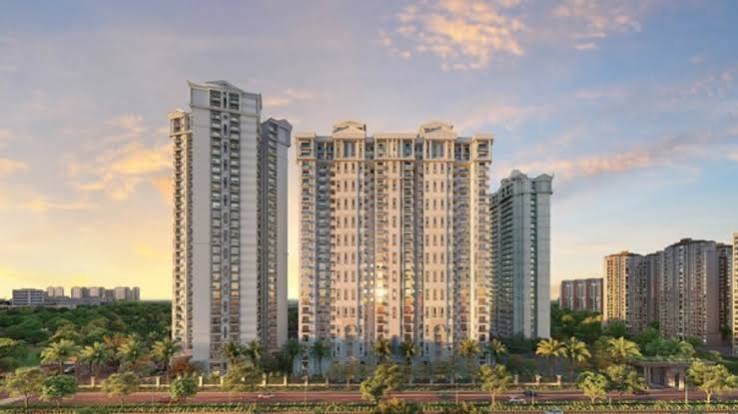
On the residential side, Savills India expects activity to remain broadly flat, with the festive season offering only limited upside to sales. Demand for premium and luxury homes is holding firm in the Mumbai Metropolitan Region, Bengaluru, Hyderabad and Delhi-NCR. Developers are using festive offers, flexible payment plans and new launches to bring buyers in. Nandan noted that today’s buyers put construction quality, location, connectivity, liveability and long-term value first.
Smaller markets around the capital are also seeing activity. Yashank Wason, Managing Director of Royal Green Realty, said the festive season tends to lift homebuyer sentiment in Tier-2 markets such as Sonipat, Bahadurgarh and Rohtak, with rising interest in plotted developments. Rupam Dey, Head of Marketing Communication & Brand at Hubtown Limited, said the outlook remains encouraging, backed by end-user demand, commercial leasing and institutional investment.
Headwinds to watch
The picture is not without challenges. Industry participants point to affordability concerns, rising construction costs and regulatory hurdles as factors that could slow the pace of growth, especially in the mid-income housing segment. Analysts say developers will need to keep pricing in check and match new supply to real demand if the momentum is to carry into 2027.
The bottom line
With office leasing up, institutional capital flowing in and premium housing holding steady, India’s real estate sector looks set to close 2026 on firm ground. The task for 2027, as Savills India puts it, will be turning this momentum into sustainable growth, with the market increasingly rewarding quality assets.
Key numbers at a glance (Jan–Sep 2026, Savills India)
• Office absorption, top 6 cities: 60.7 million sq ft (+6% YoY)
• Private equity investment in real estate: US$4.5 billion (+16% YoY)
• GCC share of office leasing: 30%
• Leading office markets: Bengaluru, Hyderabad, Delhi-NCR