Written by AI Powered PMC Akbar Jiwani
Special Correspondent: Realestate for Realnewsofindia.com
Cabinet approvals for MHADA colonies, slum clusters and surplus transport land signal a shift from building-by-building redevelopment to large, planned urban renewal
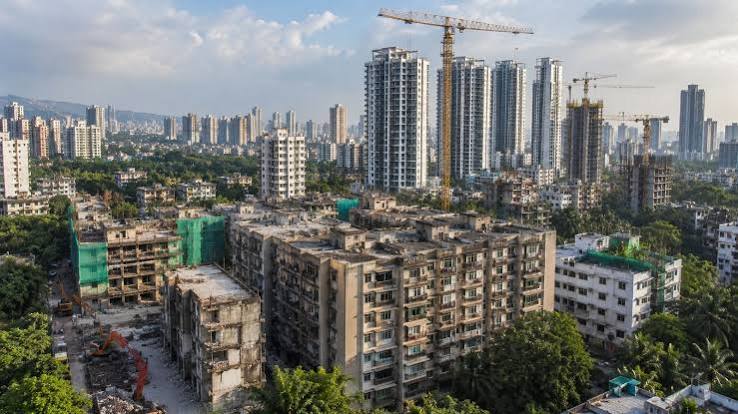
Mumbai, 15 November 2026: Maharashtra’s government has spent the past year steadily building a policy framework that treats redevelopment as an area-wide exercise rather than a plot-by-plot one. For India’s largest housing market, the shift could matter as much as any interest-rate move or festive-season discount.
What the government has cleared
In November 2025, the state cabinet approved a policy for integrated, cluster-based redevelopment of MHADA projects spread over 20 acres or more in Mumbai and its suburbs, with the stated aim of increasing affordable housing across the Mumbai Metropolitan Region. Reports on the policy said it removes the need for individual consent in such large colonies, a change intended to speed up projects that have stalled for years. A companion Government Resolution for slum cluster redevelopment on areas of 50 acres or more was notified around the same time.
The approach is now being applied on the ground. In September 2026, the cabinet cleared cluster redevelopment of 19 MHADA buildings (18 residential and one office building, built around 1985) at Ramakrishna Nagar, Khar West. MHADA will appoint the developer, while a high-powered committee headed by the Housing Department Secretary will oversee implementation. In July 2026, the cabinet also fast-tracked commercial redevelopment of about 3,500 acres of surplus MSRTC land through public-private partnership by granting a one-time exemption from certain provisions of the state PPP policy.
Why it matters now
The MMR is already India’s biggest housing market. According to Anarock Research, the region recorded about 31,750 home sales in July-September 2026, up 5% from 30,260 a year earlier, and led new launches with roughly 37,500 units. Across the top seven cities, sales rose 3% year-on-year to about 1,00,220 units, while unsold inventory rose about 12% to around 6.31 lakh units. With launches outpacing demand growth and buyers described as selective, policy that unlocks well-planned, infrastructure-ready land, rather than simply adding more scattered supply, is likely to carry more weight with developers and lenders.
The road ahead
Cluster models promise better planning, shared amenities and larger rehabilitation and affordable-housing yields. The test will be execution: transparent developer selection, timely approvals, financing and protection of residents’ rights during long project cycles. For housing societies and homeowners in Mumbai’s ageing buildings, project-management and legal due diligence will be as important as the policy itself.
Note: market figures are from Anarock Research as reported by Business Today and Construction World. Another research firm, PropEquity, reported a 6% fall in sales for the same quarter, reflecting differences in methodology.
Written by AI Powered PMC Akbar Jiwani
Special Correspondent: Realestate for Realnewsofindia.com