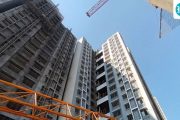
We live in an increasingly urbanized world. Cities are dynamic, complex ecosystems, constantly evolving and facing numerous challenges: traffic congestion, housing shortages, environmental degradation, and social inequality, to name a few. Steering these complex systems towards a sustainable and equitable future is the job of the urban planner. But who exactly is an urban planner, and what do they do?
An urban planner is a professional trained to guide the physical development and organization of urban areas. They are concerned with the efficient and sustainable use of land, infrastructure, and resources, while also considering the social, economic, and environmental impacts of development. They act as a bridge between various stakeholders – residents, developers, government agencies, and environmental groups – to create cohesive and functional urban environments.
What do Urban Planners do?
The work of an urban planner is multifaceted and can involve a wide range of tasks, including:
• Developing Master Plans: Creating long-term visions and strategies for the growth and development of cities, regions, or neighborhoods. These plans address issues like land use, transportation, housing, infrastructure, and public spaces.
• Land Use Planning: Determining how land should be used within a given area, designating zones for residential, commercial, industrial, recreational, and other purposes. This involves considering factors like population density, environmental constraints, and economic activity.
• Transportation Planning: Designing and managing transportation systems, including roads, public transit, bike lanes, and pedestrian walkways, to ensure efficient and sustainable movement of people and goods.
• Environmental Planning: Addressing environmental issues related to urban development, such as air and water quality, waste management, and conservation of natural resources.
• Community Engagement: Working with residents and other stakeholders to understand their needs and preferences and incorporate them into planning decisions. This often involves public meetings, workshops, and surveys.
• Policy Development: Developing and implementing policies and regulations related to land use, zoning, building codes, and other aspects of urban development.
• Economic Development: Promoting economic growth and revitalization in urban areas through strategies like attracting businesses, creating jobs, and developing mixed-use developments.
• Historic Preservation: Protecting and preserving historic buildings and districts to maintain cultural heritage and enhance urban character.
Skills and Qualifications:
Urban planners typically hold a master’s degree in urban planning, urban design, or a related field. They possess a diverse skill set, including:
• Analytical and Problem-Solving Skills: The ability to analyze complex data, identify problems, and develop creative solutions.
• Communication and Interpersonal Skills: The ability to communicate effectively with diverse audiences, facilitate meetings, and build consensus.
• Design and Visualization Skills: The ability to create maps, plans, and other visual representations of urban environments.
• Knowledge of Planning Principles and Theories: A strong understanding of the principles and theories of urban planning, as well as relevant laws and regulations.
• Technical Skills: Proficiency in using software and tools for data analysis, mapping, and design.
Why are Urban Planners Important?
Urban planners play a crucial role in shaping the cities we live in. They contribute to:
• Creating Livable Communities: By ensuring access to housing, transportation, public spaces, and other essential amenities.
• Promoting Sustainable Development: By balancing economic growth with environmental protection and social equity.
• Improving Quality of Life: By addressing issues like traffic congestion, pollution, and crime.
• Enhancing Economic Competitiveness: By creating attractive and efficient urban environments that attract businesses and investment.
In conclusion, urban planners are essential professionals who work to create sustainable, equitable, and livable cities for present and future generations. Their work is vital for addressing the complex challenges facing our urbanizing world and building the cities of tomorrow.
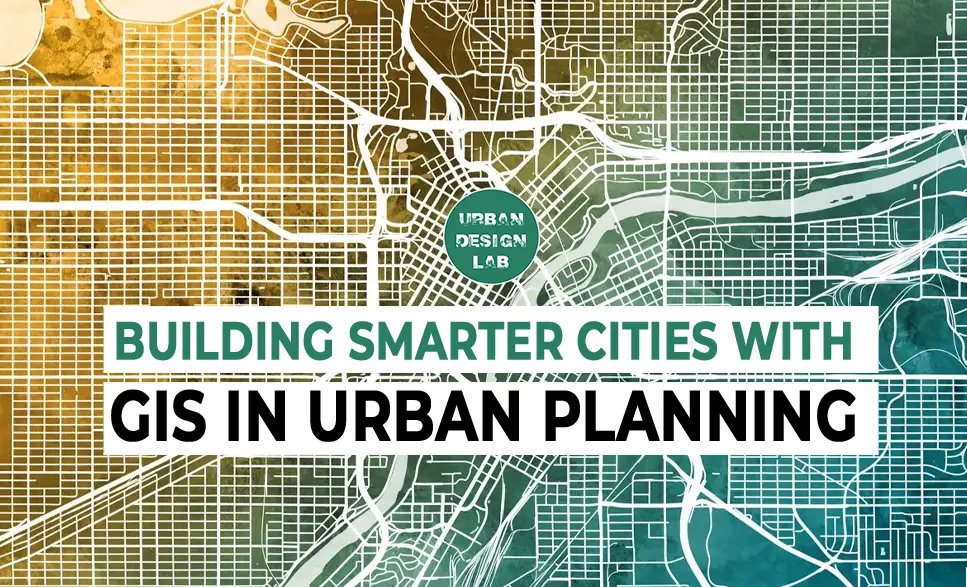
Who is an Urban Planner? Shaping the Cities of Tomorrow

About the author

Related Articles
-

Ghaziabad Emerges as NCR’s Hottest Residential Bet as Blackstone-Backed ASK Property Fund Commits ₹300 Crore to Two Housing Projects
-

overnment’s ₹15,000-Crore SWAMIH Fund II Set to Rescue 1 Lakh Stalled Homes, Reinforcing India’s Real Estate Recovery
-

Jan Vishwas Act Strips Jail Threat from RERA — But Legal Experts Ask If It Fixes the Real Problem